How to Replace Sash Window Cords (and Re-hang the Weights)
A snapped sash cord is far and away the most common fault on a box sash window. One day the cord frays through, the counterweight drops with a thud into the bottom of the box frame, and the sash won’t stay up any more — it slides shut the moment you let go, or hangs lopsided because only one cord is left holding it. The good news is that this is a tidy, satisfying repair you can do yourself in an afternoon. This guide walks you through replacing the cord and re-hanging (or replacing) the weight behind it.
Why sash cords snap
Sash cords lead a hard life. Every time you open or close the window, the cord drags back and forth over a small brass pulley wheel at the top of the box. Over decades, a few things wear it out:
- Age and friction. Old cotton cord simply abrades thin where it rides over the pulley. That’s usually the spot it parts.
- Paint. Generations of decorators painting the window shut, then forcing it open, stiffen and weaken the cord. Paint also clogs the pulleys so they stop turning, which makes the cord chafe instead of roll.
- Rot and damp. Water getting into the box frame rots the timber, the cord, and sometimes the cord’s knot or fixing.
- Sheer load. A heavy sash — old thick glass, or a window someone has fitted with double glazing — puts more strain on the cord than it was made for.
When one cord goes, the others are usually the same age and not far behind. We’ll come back to that in the FAQ.
What you’ll need
You don’t need much, and most of it you’ll already have.
Tools
- A wide chisel or a stiff scraper to ease off the beads
- A pin hammer (and a nail punch is handy)
- Pincers or pliers for pulling old nails
- A craft knife or trimming knife
- A flat-head screwdriver
- A length of thin string and a small weight — a bent nail, a screw, or a purpose-made “mouse” — to feed the new cord over the pulley
Materials
- New sash cord. Waxed cotton is the traditional choice and looks right on a period window; Terylene (pre-stretched polyester) is stronger and won’t stretch or rot, so it’s a sensible modern alternative. Either is fine. Match the cord diameter to the pulley groove — roughly 6 mm suits most domestic sashes.
- Clout nails or small galvanised nails to fix the cord into the sash groove
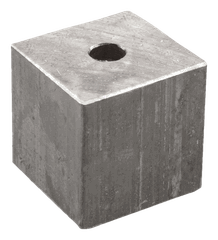
- New weights only if the originals are cracked, badly corroded, or missing — most of the time you’ll reuse what’s already there
If you do need replacement weights, it pays to shop around: there’s a genuine 2 to 3.5 times difference in price between the cheapest and dearest UK suppliers once you work it out per kilogram. You can compare live £/kg prices from UK suppliers on our homepage.
Safety first
Sash work involves heavy lumps of metal and old timber, so a little care goes a long way. None of this is dangerous if you respect it.
- The weights are heavy and they fall. A working sash weight can be several kilograms. Support the sash while you work so it can’t drop on your fingers, and never put your hand under a weight you haven’t secured.
- Old paint may contain lead. On a pre-1970s window, assume the paint is lead-based until you know otherwise. Don’t dry-sand, scrape aggressively, or burn it off — that creates lead dust and fumes. If you need to clean up paint, do it gently and wet, and keep dust down.
- Mind the lead weights themselves. Cast lead is safe to handle, but don’t sand or file bare lead, and wash your hands after handling the weights and before eating.
- Mind the glass. Old sashes can have brittle putty and loose panes. Carry a sash by the timber rails, not the glass, and lay it down flat on something soft.
If the timber is rotten, the sash is very large or heavy, or you’re working on a listed building, it’s worth reading the section near the end on when to call a professional.
Step-by-step: replacing a sash cord
Work on one window at a time, and lay your beads and screws out in order so refitting is easy.
1. Remove the staff bead
The staff bead is the slim inner moulding that holds the bottom (inner) sash in place against the room side of the frame. Slide a chisel or scraper behind it, score through any paint line first with your knife, and gently lever it away from the frame. Start in the middle of a long length where it flexes most. Keep the beads — you’ll refit them.
2. Ease out the lower (inner) sash
With the staff beads off, the bottom sash will swing out towards you. Tilt it out and rest it on a bench or table. Its two cords are still attached at the sides (or one is, if the other has snapped). Note how high up the side of the sash the cord is fixed before you cut anything — you’ll want to match that.
3. Cut the old cords and find the pocket
Cut the remaining cord and lower the weight gently to the bottom of the box — or, if the cord has already gone, the weight is already sitting down there. Near the bottom of each box frame there’s a small removable panel called the pocket cover (or weight pocket). It may be held by a screw or just friction-fitted and painted over. Score round it, prise it out, and set it aside.
4. Retrieve the weight
Reach into the pocket and lift the weight out. Untie or cut off the old cord. Have a look at the weight while it’s in your hand: if it’s sound, you’ll re-hang it. If it’s cracked or one of a mismatched pair, this is your chance to replace it.
5. For the upper (outer) sash
If you’re re-cording the top sash too, there’s one extra step. Between the two sashes runs the parting bead — a thin strip sitting in a groove in the middle of the frame. Prise it out carefully (it’s brittle), and the top sash will then come forward so you can reach its cords and weights through the same pockets.
6. Measure and cut the new cord
Getting the length right is the fiddly bit. The simplest method: push the sash fully up into its closed position, then run your new cord over the pulley and down — the cord should reach so that when the sash is fully open, the weight hangs just clear of the bottom of the box (it must never bottom out, or the sash won’t open fully). If you still have an old cord intact, use it as your template. Cut a little long; you can trim once it’s balanced.
7. Feed the cord over the pulley
This is where the “mouse” earns its keep. Tie your thin string to the small weight (the bent nail or screw), drop it over the pulley wheel from outside, and let it fall down inside the box to the pocket. Tie the other end of the string to your new sash cord, then pull the string back up and out through the pocket — drawing the cord over the pulley and down to where you can reach it.
8. Tie the cord to the weight and fix it to the sash
Tie the cord to the eye or hole at the top of the weight with a secure knot — a simple double knot or a clove hitch finished with a stopper works well — and let the weight hang in the pocket. Then fix the other end into the groove on the side of the sash, at the height you noted in step 2, using two or three clout nails. Don’t nail right at the very top of the groove or the cord will foul the pulley when the sash is fully up.
9. Re-balance and test
Refit the weight, hang the sash temporarily, and test it. A correctly balanced sash should stay put wherever you leave it — half open, three-quarters open — without creeping up or sliding down. If it drifts down, the weight is too light; if it pushes itself up, it’s too heavy. Lead is soft and easy to trim a little off, or you can add a small make-weight or deflector weight, to fine-tune the balance. (More on matching weight to sash below.)
10. Refit everything
Pop the pocket covers back in, slide the top sash back and refit the parting bead, then the bottom sash, then the staff beads. Don’t nail the beads so tight that the sash binds — it should glide. Give both sashes a final test up and down.
How the weights tie in
Most re-cording jobs reuse the original weights, and that’s ideal — they were sized for that sash and the lead has a lifetime of service left in it. Replace a weight only if it’s cracked, badly corroded (more likely with cast iron than lead), or missing after a previous botched repair.
If you do need new weights, match them to the sash properly. The rule of thumb is that the total weight on each side should roughly equal the weight of the glazed sash itself, split between its two cords — so each weight is about half the sash’s weight. Heavier glass needs heavier weights, which is why fitting double glazing into an old box sash so often throws the balance out. Where you can, weigh the actual sash rather than guessing. Our sash weight calculator will help you work out the target figure.
When it’s time to buy, remember suppliers quote prices every which way — per piece, per pound, per kilo, some ex-VAT, some inc-VAT. The only fair comparison is £ per kilogram, which is exactly what our table normalises everything to so you can compare live £/kg prices from UK suppliers.
DIY cost versus hiring a pro
Done yourself, re-cording is one of the cheapest sash repairs there is — a hank of cord and a packet of nails, plus an afternoon. Even buying a pair of replacement weights, you’re looking at a modest outlay. A joiner will charge for their time and travel, which is money well spent if the timber needs attention or you’re not confident, but it’s a job many capable DIYers take on happily. For a fuller picture of what sash work costs across the board, see our sash window restoration cost guide.
When to call a professional
Hand it over to a sash specialist or joiner if:
- The box frame, sill, or sash timber is rotten — that’s a repair job in its own right, and there’s no point re-cording a frame that needs splicing first.
- The sash is very large or heavy (big bay windows, original plate glass), where the weights are awkward and a slip could hurt you or crack the glass.
- You’re working on a listed building or in a conservation area, where what you can do may be restricted.
- The paint is lead-based and degraded, and you’d rather not disturb it yourself.
There’s no shame in it — a good joiner will have a window re-corded before you’d have finished prising off the first bead.
FAQ
What cord should I use? Waxed cotton for an authentic period look, or pre-stretched Terylene (polyester) for a stronger, rot-proof cord that won’t stretch. Both are widely sold; match the diameter — around 6 mm — to your pulley groove.
Can I replace just one cord, or should I do all four? You can replace just the snapped one, but the others are the same age and have done the same mileage. While you’ve got the window apart it’s much less hassle to renew all the cords at once than to come back in six months when the next one goes.
How long does it take? Allow two to three hours for your first window once you’ve gathered your tools — longer if the beads are heavily painted. The second window goes much faster now you know the moves.
How much does sash cord cost? Cord itself is inexpensive — a length to do a window is only a few pounds. The bigger variable, if you also need new weights, is the metal: that’s where prices swing widely, so it’s worth checking the per-kilogram figure before you buy.
In short
Replacing a snapped sash cord is one of the most rewarding repairs an old window can give you — and once you’ve done one, you’ll never again be intimidated by a sash that won’t stay up. Take your time, support the weights, and treat old paint with respect. And if you find you need new weights to finish the job, compare live £/kg prices from UK suppliers before you buy, so you’re paying a fair price for the lead.