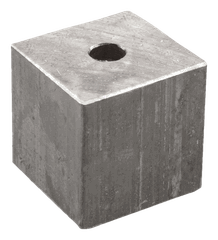
Sash Window Makeweights, Add-On Weights and Lead Deflector Weights
When you re-cord a box sash window, the main weights get you most of the way to a perfectly balanced sash — but rarely all the way. The last few ounces, the difference between a sash that glides and stays put and one that creeps down on its own, usually come from a small, cheap, often-overlooked part: the makeweight. This guide explains makeweights, add-on weights and lead deflector weights — what each one is, when you need it, lead versus steel, and how to use them to fine-tune the balance.
What is a makeweight (or add-on weight)?
A makeweight — also called an add-on weight — is a small counterweight you add on top of your main sash weight to top up the balance. It does exactly what the name suggests: it makes up the weight.
The clever part is how it fits. A makeweight has a hole drilled straight through it (typically 10 mm, to suit standard sash cord), so you simply thread it onto the cord and slide it down to rest on top of the existing weight. No knots to undo on the main weight, no swapping the whole counterweight out — you just drop a small block down the cord and the total weight on that side goes up by however much the makeweight weighs.
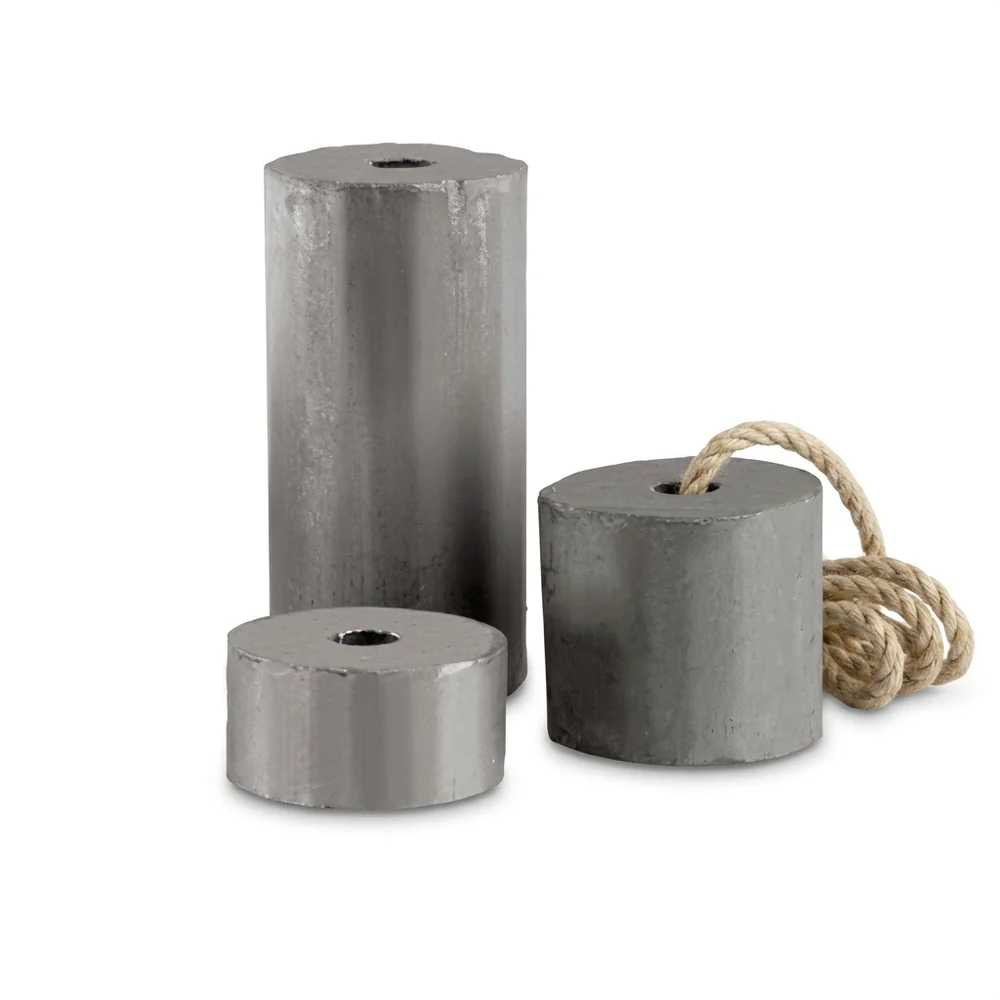
They come in a handful of standard sizes, usually:
- ½ lb (about 0.23 kg) — roughly 19 mm tall
- 1 lb (about 0.45 kg) — roughly 38 mm tall
- 2 lb (about 0.9 kg) — roughly 76 mm tall
Most are 40 mm square in section so they sit neatly in the weight pocket alongside a standard weight. Stack a couple together and you can add weight in fine increments until the sash behaves.
What is a lead deflector weight?
A deflector weight is a close cousin of the makeweight. It does the same primary job — slide it down the cord onto the top of the existing weight to add a little mass — but it has a second, cleverer purpose built into its shape.
Inside each box, the upper-sash weight and the lower-sash weight hang in the same pocket and pass each other as the window is opened and closed. If they catch or clash, you get a knock, a snag, or a sash that won’t run smoothly. A deflector weight has a shaped (angled) top that deflects the opposing weight as it passes, nudging it clear so the two don’t foul each other.
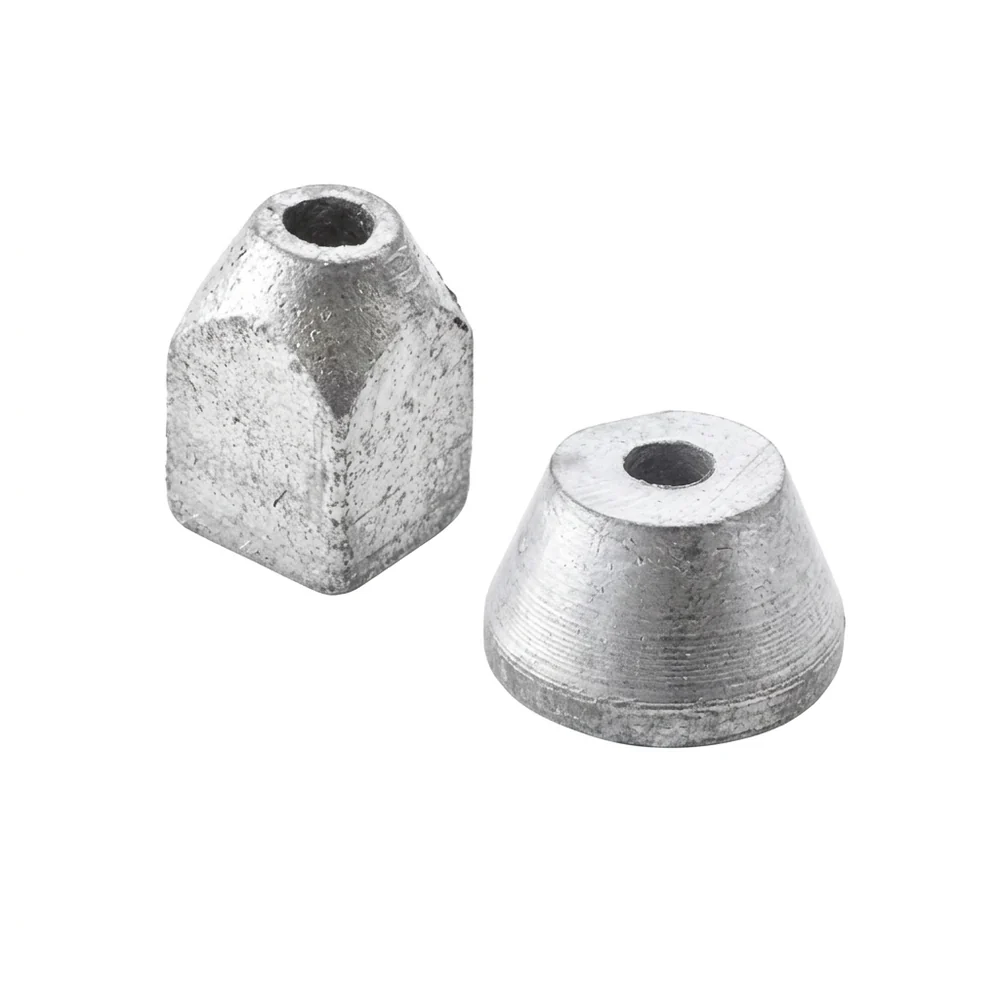
So a deflector weight is really doing two things at once: topping up the balance like a makeweight, and keeping the two weights in the box from clashing. They’re commonly 1 lb (about 0.45 kg) with the same 10 mm through-hole for the cord. If your weights are knocking against each other in the box, a deflector weight is the part to reach for — and if you’d rather not use lead just for the deflecting job, you can even 3D-print a hard-plastic deflector.
Lead or steel makeweights — which to choose?
Makeweights come in both lead and steel, and the choice matters more than you’d think for fine-tuning.
- Lead makeweights are the traditional choice and the most useful for getting balance exactly right, because lead is soft enough to trim. If a 1 lb makeweight leaves the sash a whisker heavy, you can shave a little off with a knife or a saw until the counterbalance is perfect. Lead is also the densest option, so it takes up the least room in the pocket — handy when space is tight.
- Steel makeweights are a cost-effective alternative and perfectly good for simply adding a fixed amount of weight. The trade-off is that steel is much harder to trim, so you’re limited to the standard increments (½, 1, 2 lb), and being less dense than lead, a steel piece is bulkier for the same mass.
If you want to dial the balance in to the last few grams, lead gives you that final adjustability. If you just need to add a known amount and the standard sizes land where you need them, steel does the job for less. For the wider trade-offs between materials, see our guide to lead vs cast iron vs steel sash weights.
How to use makeweights to balance a sash
The whole point of a makeweight is fine-tuning, so it helps to understand what “balanced” means first.
On each side of the window, the weight on the cord should roughly equal half the weight of that sash — the two weights on a sash together balance the glazed frame, so each is about half. (If you’re starting from scratch and don’t know how much weight you need, our sash weight calculator guide walks you through estimating it.)
Once the main weights are on, a sash that isn’t quite right tells you which way to adjust:
- A sash that slowly drops on its own is under-weighted — the sash is winning. Add a makeweight to that side.
- A sash that slowly creeps up is over-weighted — the weights are winning. You’d take a little off (or trim a lead makeweight down).
A common refinement is to set the upper sash to run a touch heavy so it holds itself up, and the lower sash a touch light so it stays where you put it rather than creeping. Small differences, but they’re exactly what makeweights are for.
To fit one when you’re re-cording:
- Tie your stop knot first. There should be a knot in the cord above the weight so it can’t be pulled up through the pulley. Get that right before you start adding pieces.
- Thread the makeweight onto the cord and slide it down so it rests on top of the main weight.
- Test the sash through its full travel — open, closed, and stopped halfway — and feel whether it holds.
- Adjust: add another piece if it’s still light, or trim a lead makeweight a little if it’s now slightly heavy.
- Return the weights to the box and check the two weights on each side clear each other (a deflector weight helps here).
Sash work involves heavy weights and old timber, so take care, and if you’re at all unsure whether a window is safely and correctly balanced, ask a joiner.
What makeweights cost (and why £/kg looks high)
Makeweights are cheap as a single item — typically a pound or two each — but if you look at them on a price-per-kilogram basis, they’re among the dearest lead you can buy.
Across the UK suppliers we track, makeweights and small pieces work out at roughly £3.80 up to £11/kg, with a typical figure around £5.50/kg — well above the ~£3/kg you’d pay for a full-size square bar. That isn’t a rip-off; small cast pieces simply cost more per kilo to make than big bars, because the casting, drilling and handling are much the same whether the piece is large or small. Steel makeweights, being a cheaper metal, undercut lead on the headline price (often well under £2 for the smaller sizes).
The practical takeaway: don’t try to build up a badly under-weighted sash entirely out of makeweights — it’s the expensive way to buy lead. Use a correctly sized main weight for the bulk of the balance (bought, or even rolled from lead sheet in a pinch), and reserve makeweights for the fine-tuning they’re made for. For how the per-kilo maths works across every supplier and size, see our UK sash weights price guide, and compare the live numbers on the comparison table.
When do you actually need them?
You’ll reach for makeweights or deflector weights when:
- A re-corded sash won’t quite hold its position and needs a small top-up to balance.
- Your existing weights are slightly too light for the glass — common after upgrading to heavier or double glazing, where the sash gained weight but the counterweights didn’t.
- The two weights in a box are catching each other as the sashes pass — a deflector weight’s shaped top fixes that.
- You’re matching a pair of windows and need one sash to behave exactly like its neighbour.
If the sash is wildly out — dropping fast or jammed solid — that’s usually a sign the main weight is wrong (or a cord has snapped), not a job for makeweights. In that case, start with the right-sized weight; our guide to replacing sash cords and re-hanging the weights covers that from the top.
FAQ
What is the difference between a makeweight and a deflector weight?
Both slide down the cord onto the top of the main weight to add a small amount of balance. A deflector weight does one extra thing: its shaped top deflects the opposing weight in the box so the two weights don’t clash as the sashes pass each other. If your only goal is to add weight, a plain makeweight is fine; if your weights are knocking together, choose a deflector.
Can you cut or trim a makeweight?
A lead makeweight, yes — lead is soft enough to shave or saw a little off to fine-tune the balance exactly. A steel makeweight is much harder to trim, so you’re effectively limited to the standard ½, 1 and 2 lb sizes.
How much weight should I add?
Only as much as it takes for the sash to hold its position through its full travel. Add in small steps (a ½ lb or 1 lb at a time), test, and stop as soon as the sash stays put. Each side should end up at roughly half the sash’s total weight; makeweights just bridge the last gap.
Do makeweights fit any sash cord?
The standard 10 mm through-hole suits common sash cord, so they work with most cords. Always tie a stop knot above the weight first so the cord can’t pull up through the pulley.
Are lead or steel makeweights better?
Lead if you want to trim for a perfect balance and save space in the pocket; steel if you just need to add a fixed amount for less money. Both do the basic job.
Get the balance right
Makeweights, add-on weights and deflector weights are the small parts that turn a “good enough” sash into one that glides and stays exactly where you leave it. They’re cheap per piece, quick to fit, and the difference they make is out of all proportion to their size — just don’t lean on them to do a main weight’s job, because per kilo they’re the priciest lead in the box.
When you’re buying, size the main weight first and the makeweights second, and compare both on the same basis. Our live £/kg comparison table ranks every UK supplier cheapest-first, with an ex/inc VAT toggle, so you can see exactly what the weights — full-size and make — should cost before you order.