Sash Window Pulleys and the Counterbalance System Explained
If you have ever lifted a heavy timber sash and had it stay exactly where you left it, you have a small brass wheel near the top of the frame to thank. That wheel is the sash window pulley, and it does a quiet, clever job. It sits at the top of each box stile, the sash cord runs over it, and a hidden weight on the other end of that cord holds the sash up. It is only one part of a three-part counterbalance system — the weight, the cord and the pulley working together — but when it is worn or seized, the whole window suffers. This guide explains how the system works, what the pulley is made of, how it fails and how to put it right.
How the counterbalance system works
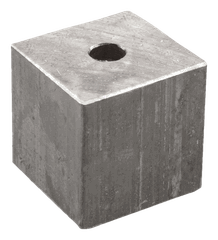
A box (or “boxed”) sash window has a hollow box frame down each side. Inside each box hangs a counterweight, traditionally cast lead, on a sash cord. That cord runs up the inside of the box, over the pulley at the top, and across to the edge of the sliding sash. There is a weight on each side, so two cords and two weights carry each sash.
The principle is simple: the weight on each side balances the sash so it stays put at any height. Because the hidden weight pulls down with roughly the same force the sash pulls down, the two cancel out. Move the sash up and the weight drops; let it down and the weight rises. There is no spring and no motor — just gravity, balanced against itself.
The rule of thumb is worth remembering. The total weight on each side should roughly equal the weight of that sash (the glazed timber frame), shared between the two cords on that sash — so each individual weight is about half the sash’s weight. Heavier glass, such as double glazing or old thick Victorian glass, needs heavier weights to keep the balance. If you ever change the glass or the weights, weigh the actual sash where you can rather than guessing.
This is where the pulley earns its place. The cord has to change direction at the top of the box — running vertically up from the weight, then turning to feed across to the sash. The pulley lets it make that turn with as little friction as possible. A free-spinning wheel means the weight can do its job and the sash glides. A stiff or grooved wheel fights the cord, and that friction is the start of most sash problems.
The pulley itself
For such a small fitting, a sash pulley has a tidy little anatomy:
- The wheel (or sheave) — the grooved disc the cord actually runs over. It spins on a pin so the cord rolls rather than drags.
- The axle — the pin or spindle the wheel turns on. You will often see these described as an “axle pulley”, which simply means the wheel runs on a fixed axle rather than a bushing.
- The faceplate — the flat metal plate, usually with two screw holes and a curved or square top, that sits flush in a mortice cut into the box stile. It holds the assembly in place and gives the cord a smooth lip to pass over.
Common materials are brass, nylon or plastic, and steel or zinc. Brass is the heritage choice and the one most people want in a period property — it looks right, wears well and runs smoothly. Nylon or plastic wheels are quiet and inexpensive but feel less in keeping with an old window. Steel and zinc fittings are sturdy and cheap, though plain steel can rust over time.
Sizes vary, but the faceplate is the dimension that matters most for a like-for-like swap — a typical plate is around 100 to 115 mm long, with the wheel set to suit cord rather than rope. When you replace a pulley, match the faceplate footprint so it drops into the existing mortice without fresh chiselling.
Common pulley problems
A pulley is a wear part, and after a century or so of service most have seen better days. The usual faults are:
- A worn or seized wheel that no longer turns freely. The cord then drags over a static surface instead of rolling.
- Squeaking as the axle runs dry — the classic complaint behind “why does my sash window squeak?”
- A grooved or rough wheel that has worn a sharp channel, which chews the cord every time the window moves.
- Painted-over pulleys, where decades of decorating have glued the wheel solid. A painted pulley cannot spin at all.
- A loose or lifting faceplate with stripped screws, which lets the assembly rattle and sit proud of the stile.
The reason any of this matters is the knock-on effect on the cord. A bad pulley is the leading cause of premature cord failure. Every pass over a seized or grooved wheel saws at the same spot, and a sash cord snapping is the single commonest sash fault. So a pulley that costs a few pounds, left to seize, will quietly destroy a cord and drop a heavy weight into the box. Sorting the pulley protects everything downstream.
How to inspect and replace a pulley
The good news is that you are usually already in the right place. You rarely take a window apart just for the pulley — you do it because a cord has snapped, and the pulley is right there once you have the sash out. If you are tackling cords, see our guide on how to replace sash window cords, and check the pulleys while everything is open.
In brief, replacing a pulley goes like this:
- With the beads and sash removed and the weight accessible, spin each wheel by hand. If it is stiff, grooved, noisy or painted solid, plan to replace it.
- Undo the two screws holding the faceplate. Old slotted screws can be stubborn — clear any paint from the slots first so the driver bites.
- Ease the faceplate out of its mortice. A flat blade gently worked behind the plate usually lifts it without splitting the timber.
- Fit a like-for-like replacement so it drops straight into the existing recess, and drive fresh screws.
- Re-cord the sash over the new wheel, re-hang the weight and test the balance before reassembling.
Take your time and keep the weights under control — they are heavy and the box pockets are deep. If the timber is split or the boxes are in poor shape, it is worth calling a joiner rather than forcing it.
Choosing replacement pulleys
Two things matter when buying: size and quality. Match the faceplate size to your existing mortice so the new pulley sits flush without re-cutting the timber, and match the wheel to your cord (proper sash cord, not garden rope). For a period property, brass is the natural choice — it suits the window and ages gracefully.
Quality is not just about looks. A smoothly machined wheel that spins freely is the single best thing you can do to protect your cords. The less the wheel resists, the less the cord is abraded, and the longer the whole system lasts. A cheap, stiff wheel is a false economy that you will pay for in cords later.
How it connects to the weights
Bring it back to the counterbalance. A smooth-running pulley means the weight can do its job — the sash stays balanced at any height and slides without a fight. A seized one throws that balance off and overworks the cord.
If you find the cord snapped and the weight has dropped into the box, that is the moment to check whether the weight itself is right. Old windows are sometimes mis-weighted, and heavier modern glass may need heavier counterweights. If you do need new weights, it pays to compare on price per kilogram, because there is a genuine 2 to 3.5 times spread between the cheapest and dearest UK suppliers for essentially the same lead. You can compare live £/kg prices from UK suppliers on our homepage. To work out how much weight your sash actually needs before you buy, use our sash weight calculator and weigh the sash where you can.
Frequently asked questions
Why is my sash window squeaking?
Almost always a dry or seized pulley wheel. The axle has run out of lubrication, so the wheel grinds instead of turning. A light oil on the axle helps in the short term, but if the wheel is grooved, worn or painted solid, replace it — a squeak is often the first sign a pulley is starting to chew the cord.
Can I replace just the pulley?
Yes, although in practice it rarely happens on its own. You usually reach the pulley because a cord has snapped, and since you have the sash out anyway, it makes sense to renew the pulley and the cord together. Fitting a new pulley behind an old, frayed cord just means you are back inside the window again before long.
What size sash pulley do I need?
Match the faceplate to the mortice already cut in your box stile — that footprint is what lets a new pulley drop in without fresh chiselling. Measure the length and width of the existing plate, and pick a like-for-like replacement. The wheel should suit proper sash cord rather than rope. If you are unsure, take the old pulley to the supplier and match it directly.
Compare prices before you buy
A free-spinning pulley keeps the whole counterbalance system honest, and it protects the cords and weights it works alongside. If your repair also needs new lead weights, do not pay over the odds — the price for the same metal varies a great deal between merchants. Have a look at our live table to compare £/kg prices from UK suppliers and buy the right weight for the right money.